A slip and fall in a restaurant can happen in seconds. A spilled drink, a greasy floor, recently mopped tile, or an uneven surface can leave you injured and unsure what to do next. What you do immediately after a fall can make a big difference if you later need to pursue compensation. The restaurant may try to claim that it was your fault. The insurance company may also try to claim that you weren’t as injured as you say in order to avoid paying what they owe.
Steps To Take Right After a Slip and Fall Accident
The most important thing in the immediate aftermath of a slip and fall is your health and safety. If you’re able to, documenting the scene of the accident can go a long way towards helping to prove who was at fault later on.
1. Check for Injuries and Seek Medical Attention Immediately
Your health comes first. Even if you feel embarrassed or shaken, pause and assess your condition. Some injuries are obvious, such as broken bones or deep cuts. Others may not show symptoms right away. Head injuries, back injuries, and soft tissue damage can worsen over time.
Seek medical care as soon as possible if you experience:
- Head pain or dizziness
- Neck or back pain
- Swelling or limited movement
- Numbness or tingling
- Persistent pain in any area
Prompt medical treatment creates a record of your injuries, which can be critical if you pursue a claim later. Delaying care may allow insurance companies to argue that your injuries were not serious or were caused by something else.
2. Report the Incident to Restaurant Management
Before leaving the restaurant, make sure to report the fall to a manager or supervisor. Ask them to create a written incident report. This can help to create a paper trail that can function as evidence if need be later on.
The report should include things like:
- The date and time of the fall
- The exact location inside the restaurant
- A description of what caused the fall
- Names of employees who responded
Request a copy of the report if possible. If they refuse, write down the manager’s name and position. This documentation helps establish that the incident occurred and was reported promptly.
Avoid giving detailed statements about fault, though. This type of report should be factual and concise.
3. Document the Scene Before Conditions Change
Hazards are often cleaned up quickly after a fall. While this is good to prevent anyone else from walling, it also means that critical evidence can disappear within minutes. If you are physically able to, use your phone to take photos or videos of:
- The spill, debris, or hazard that caused
- The surrounding floor area
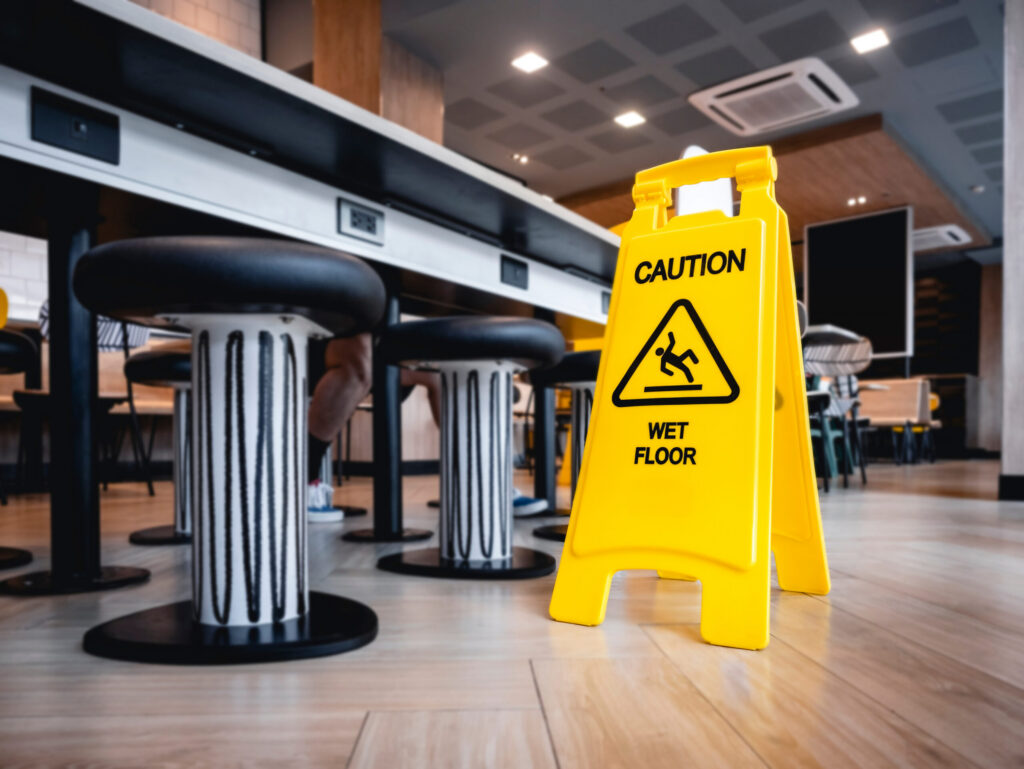
- Lack of warning signs
- Lighting conditions
- Your visible injuries
Photograph the scene from multiple angles, if possible. These images may later help show that the restaurant failed to maintain safe conditions. If you cannot take photos yourself, ask a friend, family member, or even a nearby witness to do so.
4. Collect Witness Information
Witnesses can provide valuable third-party accounts of what happened. Their statements can strengthen your case if liability is disputed.
Politely ask for:
- Full names
- Phone numbers
- Email addresses
Witnesses may leave quickly, especially in busy restaurants. Gathering their information on the spot may be your only opportunity.
5. Preserve Clothing and Physical Evidence
Do not wash the clothing or shoes you were wearing during the fall. Items with spilled liquid, grease, or debris on them may serve as evidence. Instead, put them in a sealed bag and store them safely. If your phone or personal belongings were damaged, preserve those items as well.
Seemingly small details can become important later.
6. Avoid Giving Recorded Statements to Insurance Companies
After a slip and fall at a restaurant, you may be contacted by the restaurant’s insurance company for a recorded statement. Insurance adjusters often look for statements that minimize liability or suggest the injury is minor. However, you’re not required to respond immediately. Before speaking with an insurance representative, consider consulting a slip and fall attorney to protect your rights and handle communications on your behalf.
How Does Liability Work in a Restaurant Slip and Fall Case?
Restaurants have a legal duty to maintain reasonably safe premises for customers. This means keeping walkways, restrooms, and dining areas clean and clear of hazards like spills, loose rugs, or uneven flooring. It also means that a restaurant has a duty to regularly inspect and clean these areas to keep them in good condition.
Not every slip and fall in a restaurant is the restaurant’s fault. To successfully pursue a slip and fall claim, you generally must show:
- A dangerous condition existed
The restaurant knew or should have known about it - The restaurant failed to correct it or warn customers
- The hazard directly caused your injury
For example, a restaurant may be liable if staff failed to clean up a spill within a reasonable time or neglected to place warning signs after mopping.
Common Causes of Slip and Fall Incidents in Restaurants
Slip and fall accidents are extremely common in restaurants, with millions occurring every year and thousands every day. They’re busy places filled with possible hazards like liquids. Most of these accidents are caused by slippery floors and can impact customers and staff alike.
Common causes of restaurant slip and falls can include:
- Spilled drinks or food
- Greasy kitchen runoff tracked into dining areas
- Recently mopped floors without warning signs
- Leaking drink stations
- Uneven flooring or loose tiles
- Poor lighting in walkways
Restaurants must conduct regular inspections and address hazards promptly. When they fail to do so, serious injuries can result.
What Injuries Are Often Caused by Restaurant Slip and Falls?
Slip and fall injuries can range from minor to severe, depending on the fall. While some injuries may be minor, others may be major enough to require long-term treatment or rehabilitation.
Common slip and fall injuries include:
- Fractured wrists, arms, or hips
- Concussions and traumatic brain injuries
- Herniated discs
- Sprains and ligament tears
- Shoulder injuries
- Chronic back pain
When To Contact a Slip and Fall Attorney
If your injuries require medical treatment, cause you to miss work, or result in significant pain, speaking with a premises liability attorney can help you determine if you have a case against the restaurant where you fell.
A slip and fall lawyer can help:
- Investigate the incident
- Access surveillance footage
- Interview witnesses
- Calculate damages
- Negotiate with insurance companies
- File a lawsuit if necessary
The restaurant and its insurance company have a financial incentive to try to minimize the accident and your injuries, or to blame you for the fall. That’s why having an attorney who’s on your side can make a huge difference.
Farah & Farah Stands By You After a Restaurant Slip and Fall
A slip and fall in a restaurant can be painful, stressful, and overwhelming. You may face medical bills, missed work, and uncertainty about what comes next. Acting quickly can make a meaningful difference in your recovery and your ability to pursue compensation. If you were injured due to unsafe conditions in a restaurant, don’t wait to learn more about your legal options. Contact us for a free consultation. Remember, you won’t have to pay a dime unless your case is successful.