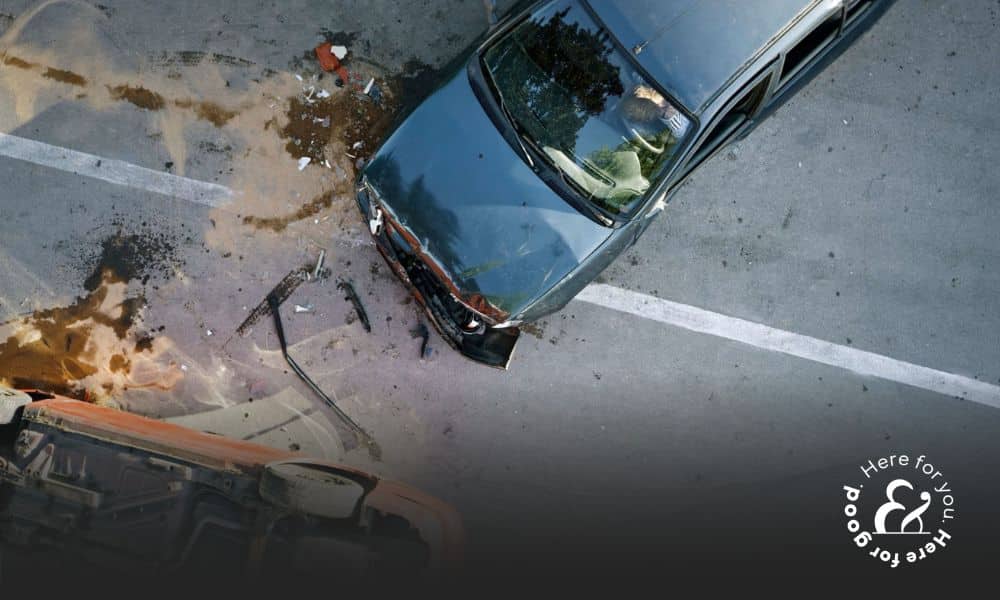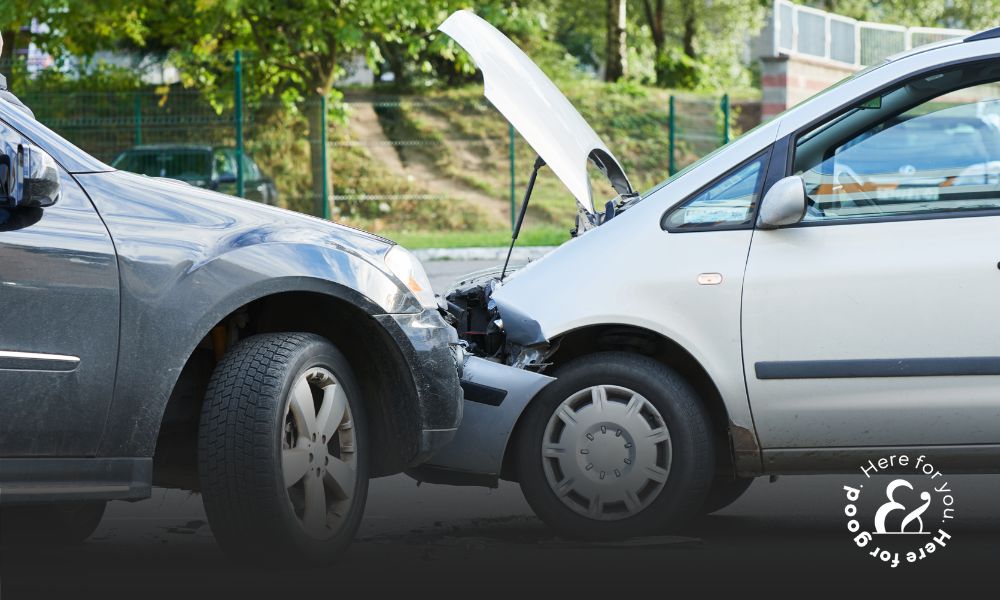
Georgia’s car accident laws shape how insurance claims are handled and how responsibility is determined after a crash. These rules can be challenging to navigate, especially when injuries, vehicle damage, and medical bills add to the stress. This guide breaks down the Georgia laws that commonly affect accident claims.
If you have been hurt in a crash, help is available. The Georgia car accident lawyers at Farah & Farah bring experience, resources, and a client-focused approach to pursuing compensation and supporting recovery.
Table of Contents
Georgia’s Minimum Car Insurance Coverage Requirements
How Comparative Fault Works in Georgia Car Accidents
How Georgia’s Distracted Driving Laws Apply to Car Accidents
Georgia’s Drunk Driving Laws Explained
What Pedestrians Need To Know About Georgia Accident Laws
Understanding Georgia’s Hit and Run Accident Laws
Georgia Reckless and Aggressive Driving Laws and Penalties
Other Common Georgia Traffic Laws
How Georgia’s Statute of Limitations Affects Car Accident Claims
Georgia’s Minimum Car Insurance Coverage Requirements
Georgia law requires all drivers to carry liability insurance to protect themselves and others in the event of a car accident. These minimum coverage limits ensure that injured parties and property owners receive some compensation if you are at fault.
Georgia drivers must carry the following mandatory minimum car insurance coverage:
- Bodily injury per person: $25,000
- Total bodily injury per accident: $50,000
- Property damage per accident: $25,000
Drivers are not required to purchase uninsured motorist or physical damage insurance, but such coverage can provide important financial protection. Uninsured motorist insurance helps cover medical bills and damages if you are in an accident with a driver without insurance or an unidentified motorist, such as in a hit-and-run accident. Physical damage coverage, which includes collision and comprehensive insurance, can pay for repairs to your own vehicle after a crash, theft, or natural disaster.
How Comparative Fault Works in Georgia Car Accidents
Under Georgia’s modified comparative negligence law, a driver who is partially at fault can still recover damages as long as their share of fault is less than 50%. If a driver is 50% or more at fault, the driver cannot recover any compensation. When multiple drivers share blame, each person’s financial responsibility is tied to their assigned percentage of fault.
A court or jury assigns fault percentages based on evidence such as police reports, witness statements, and accident reconstruction. A driver’s compensation is reduced in proportion to their share of the fault.
For example, if a party is 20% at fault for a wreck and has sustained $100,000 in damages, they can recover $80,000.
How Georgia’s Distracted Driving Laws Apply to Car Accidents
Georgia law requires drivers to keep their attention on the road and limits the use of electronic devices while driving. When a distracted driver causes a crash, insurers look at whether their actions contributed to the accident.
Under the Hands‑Free Georgia Act, drivers may not hold or support a phone or electronic device while driving. Voice-activated and Bluetooth features are permitted, but texting, emailing, and watching videos are not allowed.
When a crash involves distracted driving, insurers assess whether the driver failed to follow these laws. A citation for a hands‑free violation or evidence of distraction can strengthen a claim that the driver was negligent and increase the likelihood of recovering damages.
Georgia’s Drunk Driving Laws Explained
Georgia law prohibits driving under the influence of alcohol or drugs or with a blood alcohol concentration, or BAC, above the legal limit. For most adult drivers, the limit is 0.08% BAC. However, commercial drivers are limited to 0.04%, and drivers under 21 are limited to 0.02%.
DUI convictions carry penalties including fines, jail time, community service, and license suspension or revocation. They remain on your driving record and often cause insurance rates to rise or require higher coverage, as convicted drivers are considered high risk.
Proof that a driver involved in a car accident was under the influence at the time of the crash can serve as clear evidence of negligence and strengthen your case for compensation.
What Pedestrians Need To Know About Georgia Accident Laws
Georgia law protects pedestrians but also requires them to act safely. Understanding your rights and responsibilities can help reduce the risk of accidents and preserve your legal claims. Here’s what pedestrians need to know about the right-of-way, insurance, and liability:
- Crosswalk right-of-way: Drivers must stop for pedestrians in marked crosswalks at intersections. Pedestrians should only step into traffic when vehicles have come to a complete stop.
- Outside crosswalks: When crossing outside a marked or unmarked crosswalk, pedestrians must yield to oncoming vehicles.
- Insurance coverage: The at-fault driver’s liability insurance usually covers injuries and property damage, but pedestrians may also use their own uninsured or underinsured motorist coverage if needed.
- Shared liability: Insurers and courts examine both the driver’s and the pedestrian’s actions. Unsafe pedestrian behavior can reduce recovery under Georgia’s comparative negligence rules.
If a car accident leaves you injured as a pedestrian, a Georgia pedestrian accident lawyer can provide support, handle the legal steps, and work to ensure you receive the compensation you deserve.
Read our Tips To Ensure Pedestrian Safety to learn more about pedestrian and bicyclist safety.
Understanding Georgia’s Hit and Run Accident Laws
Georgia’s hit‑and‑run law requires drivers involved in an accident to stop as close as safely possible to the scene, give required information, and assist anyone who is injured, as outlined in Georgia Code § 40‑6‑273. Drivers must stay at the scene until they have fulfilled these duties and ensure that emergency services are contacted if a person is unable to communicate.
Penalties for failing to stop vary with the severity of the crash. Leaving the scene of a collision that resulted in injury or death is a felony, with sentencing ranging from one to five years in prison. If the crash caused only property damage, the offense is often a misdemeanor, carrying fines and possible jail time.
If the driver leaves the scene and cannot be located, injured parties can use their uninsured or underinsured motorist coverage, if they have it. If not, they must identify the driver to file a claim under the driver’s liability insurance coverage or pursue litigation.
Georgia Reckless and Aggressive Driving Laws and Penalties
Reckless and aggressive driving laws in Georgia aim to reduce dangerous road behavior and improve safety. Drivers who violate these laws may face fines, jail time, and other long-term consequences:
- Reckless driving: Driving with reckless disregard for safety is a misdemeanor punishable by up to $1,000 in fines and 12 months in jail. Examples of this behavior include excessive speeding, weaving through traffic, and running through red lights and stop signs.
- Aggressive driving: Operating a vehicle to intimidate, harass, or injure someone is a serious misdemeanor offense, carrying penalties that include fines and possible jail time.
Reckless and aggressive driving can provide crucial evidence in an accident claim. Showing that the other driver acted dangerously or intentionally put others at risk can support your right to compensation.
Other Common Georgia Traffic Laws
Georgia has traffic laws designed to keep roads safe and clarify the responsibilities of drivers. Understanding these rules can help reduce accidents and play a role in determining fault if a crash occurs. Other common traffic laws relating to accidents include:
- Signal and lane rules: Drivers must signal before turning, changing lanes, or slowing down, and follow lane markings and regulations.
- Left turns: Motorists must yield to oncoming traffic and pedestrians before completing a left turn.
- Stop signs and traffic signals: Motorists must come to a complete stop at stop signs and obey traffic lights, yielding when required.
- Seatbelts: Front-seat occupants and backseat occupants aged 6 to 17 must wear seatbelts. Children under six must be in a proper child safety seat. Failure to comply may affect injury claims.
- Accident reporting: Drivers involved in crashes causing injury, death, or significant property damage must exchange information and report the accident to law enforcement and the Department of Driver Services, as required by Georgia Code § 40-6-273. Failure to report can lead to fines or license penalties.
Compliance with traffic laws can play a crucial role in car accident claims. Drivers who break these laws are generally negligent and may be responsible for an accident. Following these rules can strengthen your position when seeking compensation and help limit your own liability.
How Georgia’s Statute of Limitations Affects Car Accident Claims
Georgia limits how long you have to file a car accident claim in civil court, and the countdown begins on the date of the crash. These time limits protect defendants and preserve evidence, but they also mean injured people must act promptly.
For most personal injury claims, including those from car accidents, Georgia’s car accident statute of limitations gives you two years from the accident date to file a lawsuit. Claims for property damage, such as damage to your vehicle, generally have up to four years to be filed. If you file after these deadlines, a court is likely to dismiss your case.
Get Legal Help for Your Georgia Car Accident Claim Today
At Farah & Farah, we know how Georgia’s insurance laws, fault standards, and traffic rules shape car accident claims. With more than $2 billion secured in settlements and verdicts, our firm has the experience and resources to challenge insurance companies and fight for the results you deserve.
Contact us online or call (877) 245-6707 today for a free, no obligation consultation to learn about your legal options.